 contact@dracresp.com



In-depth anamnesis and detailed characterization of pain.

Services
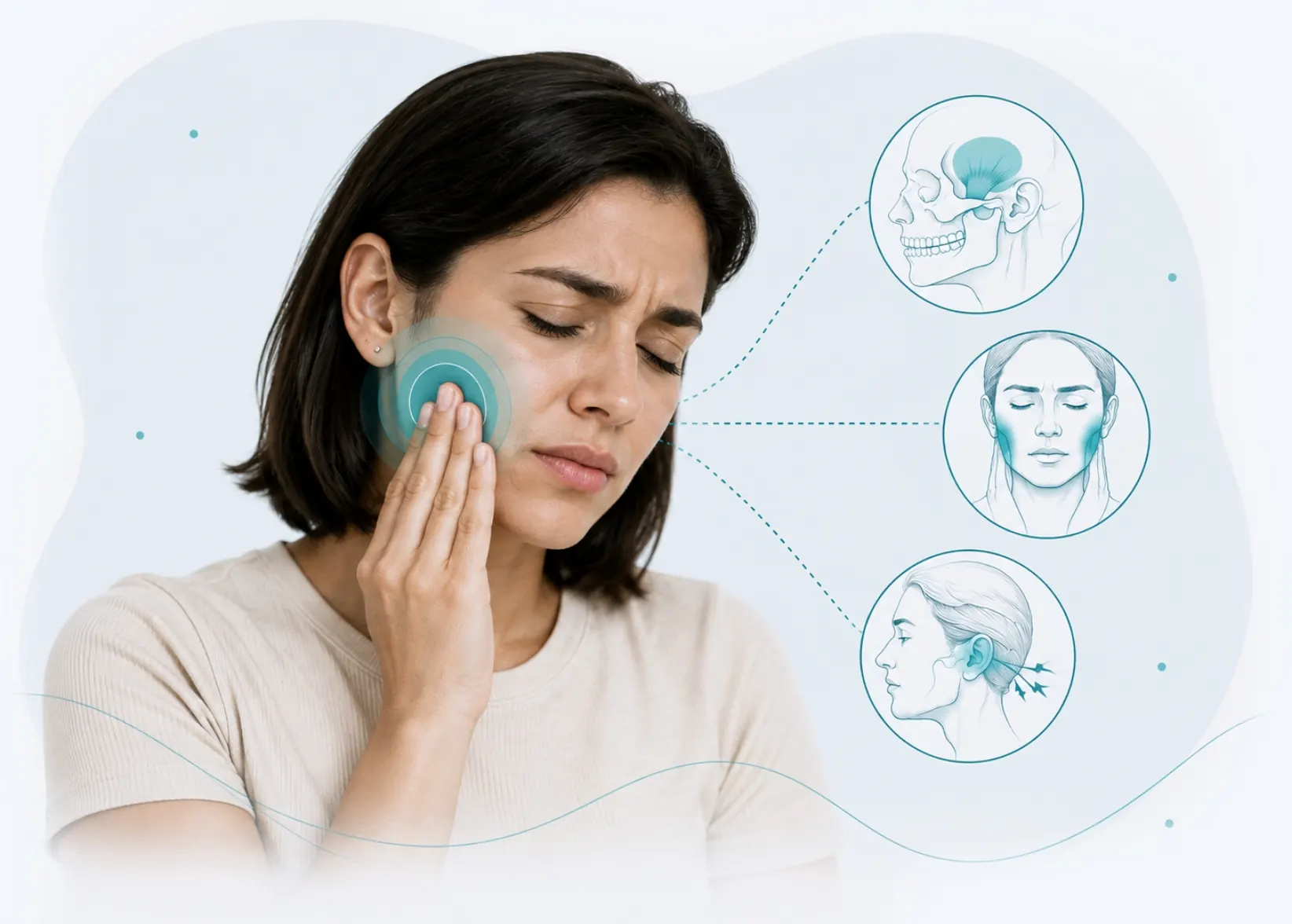
Living with persistent facial pain can be exhausting, especially when you haven't found a clear diagnosis. Dr. Nicole Cresp Sinning specializes in the comprehensive management of acute and chronic orofacial pain, addressing its origin to restore quality of life, not just relieve the symptom.
Book an AppointmentOrofacial pain is a broad concept that groups together different pain conditions in the face, mouth, head and neck, whose origin can be muscular, joint, nervous or dental. Unlike typical dental pain, it often has no obvious cause on a routine dental exam, making a specialized diagnosis key.
 Electrical, stabbing, or sudden onset facial pain
 Pain that is triggered when touching the skin, talking, chewing or brushing your teeth
 Persistent facial pain without a clear dental cause
 Recurring head or neck pain along with facial discomfort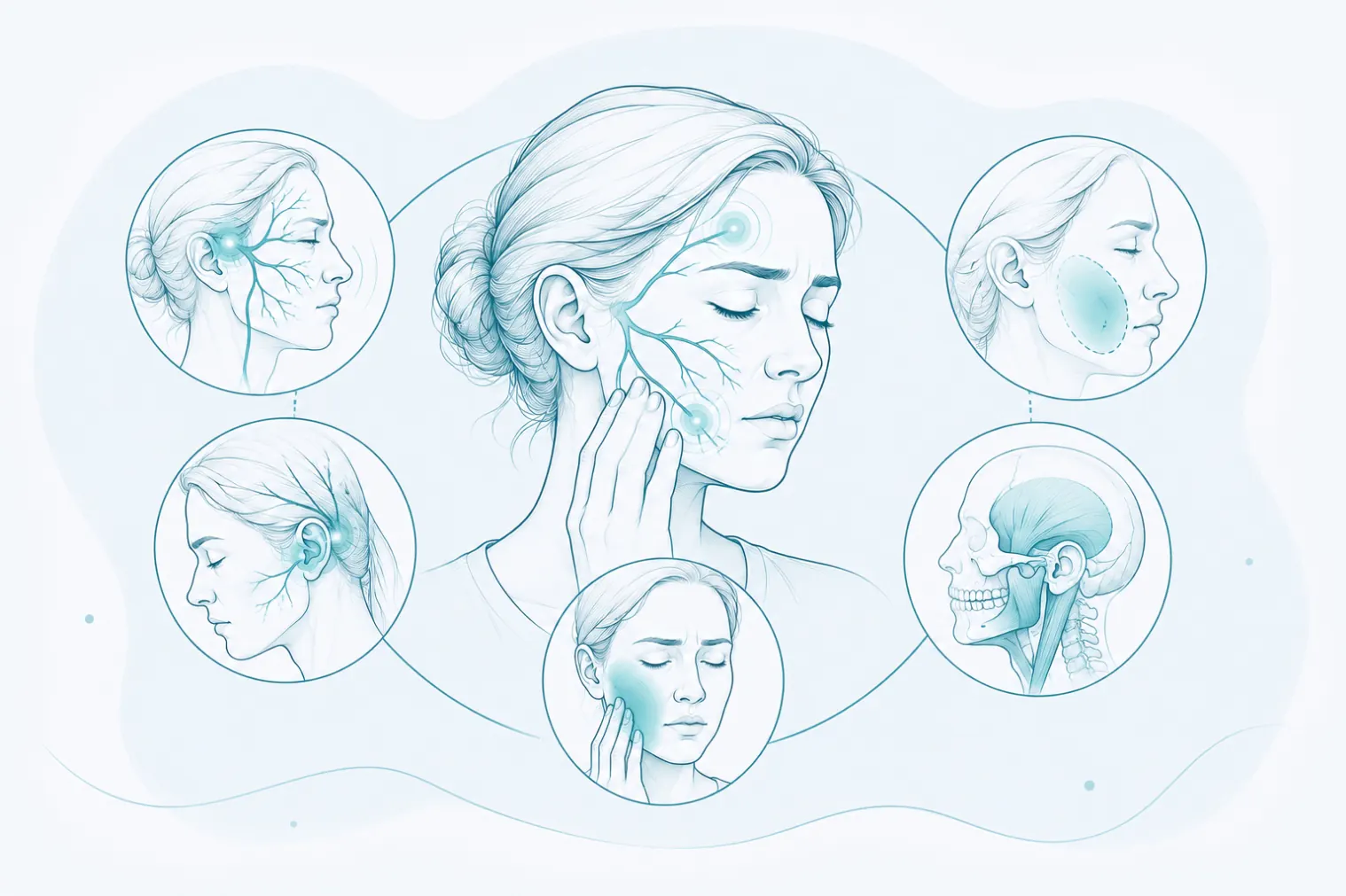
Specialized handling
How I work
In-depth anamnesis and detailed characterization of pain.

Clinical craniofacial examination and, if appropriate, oriented neurological evaluation.

Complementary studies when required.

Personalized pain management plan, coordinated with other specialties when necessary.

In-person or online follow-up appointments.
Frequently Asked Questions
TMD is one of the possible causes of orofacial pain, centered on the joint and chewing muscles. Orofacial pain also includes other causes, such as cranial neuralgia.
Yes, the initial evaluation can be carried out by video consultation to guide the diagnosis and coordinate the in-person steps that are required.
It includes an in-depth history and a clinical craniofacial examination; When appropriate, a oriented neurological evaluation is performed and complementary studies are requested.
Yes, there are different management alternatives depending on the type and severity of the neuralgia, which are defined after a specialized evaluation.
If the pain is recurrent, interferes with your daily life, or has no obvious dental cause, a specialized evaluation is advisable.
Yes, the pain management plan is coordinated with other specialties when necessary.
