 contact@dracresp.com


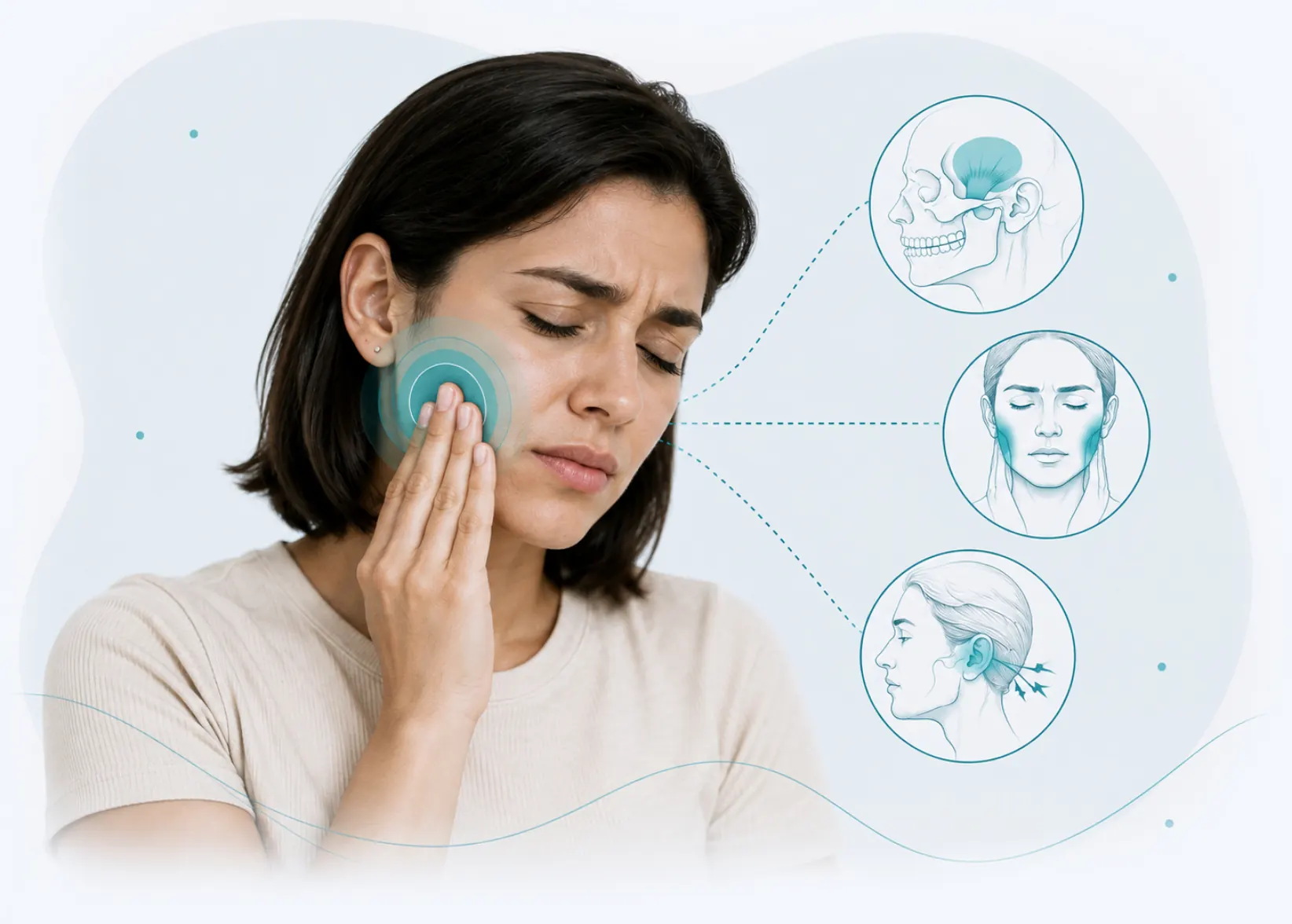

History of your sleep habits and symptoms.

Services
Poor sleep affects much more than your nights: it influences your energy, your concentration and your general health. Dr. Nicole Cresp Sinning trained in Sleep Disorders and Polysomnography at the Pontificia Universidad Católica de Chile, and today she is a collaborating professor of the Diploma in Sleep Medicine at that same university.
Book an AppointmentWhen a disorder such as sleep apnea is suspected, a sleep study (polysomnography) is requested to confirm the diagnosis and define the most appropriate treatment for your case.
 Loud and frequent snoring
 Breathing pauses during sleep (observed by your partner or family)
 Tiredness when you wake up, even if you have slept “enough” hours
 Daytime sleepiness
 Morning headache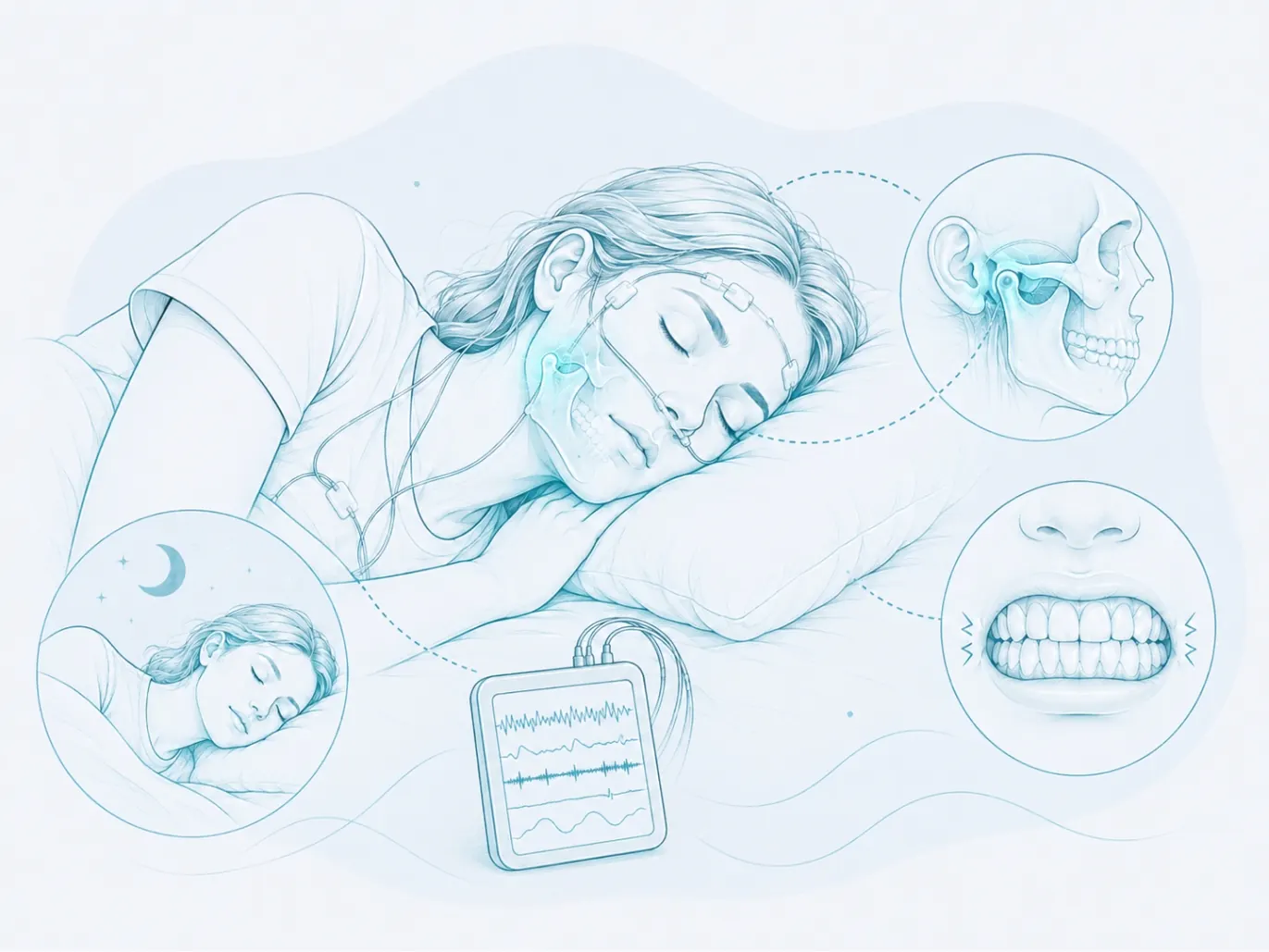
Sleep disorders
Sleep bruxism and TMD are frequently related to sleep apnea. Therefore, Dr. Cresp's approach integrates both areas: when appropriate, mandibular advancement devices are indicated, which help both improve breathing during sleep and protect the temporomandibular joint.
Book an AppointmentHow I work
History of your sleep habits and symptoms.

Indication of sleep study (polysomnography) when appropriate.

Diagnosis and definition of the treatment plan.

Installation of a mandibular advancement device or other indicated alternative, in person.

In-person or online follow-up appointments.
Frequently Asked Questions
Polysomnography is the test that allows you to confirm the diagnosis of sleep apnea and define its severity; It is indicated after the initial clinical evaluation.
Yes, the initial evaluation can be carried out by video consultation; In-person studies and procedures are coordinated according to your diagnosis.
It is usually done overnight; Details are coordinated according to the type of study indicated.
In mild to moderate apneas it may be an appropriate alternative; In more severe cases, it is evaluated in conjunction with sleep specialists. It is defined according to your diagnosis.
Not always, but they are a common symptom that warrants evaluation, especially if they are accompanied by breathing pauses or daytime fatigue.
Insomnia, snoring, breathing pauses during sleep, and daytime fatigue are reasons for an evaluation.
